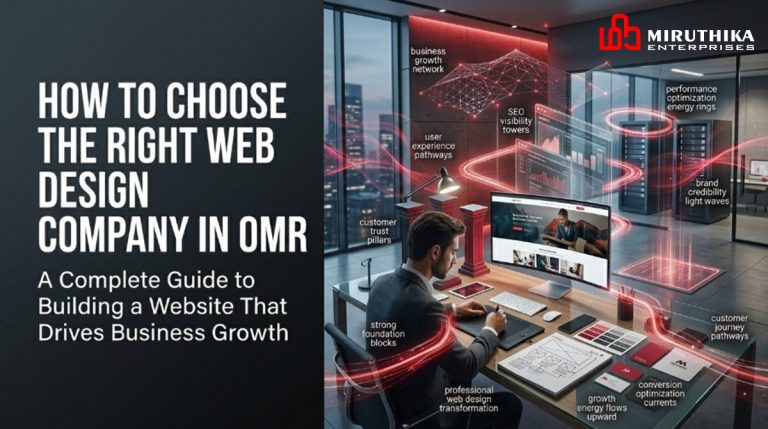
In today’s digital-first world, websites are no longer just online brochures. They have become powerful business tools that influence customer trust, brand identity, lead generation, and sales growth. As technology continues to evolve, businesses must adapt to the latest website design trends to remain competitive and improve user experience.
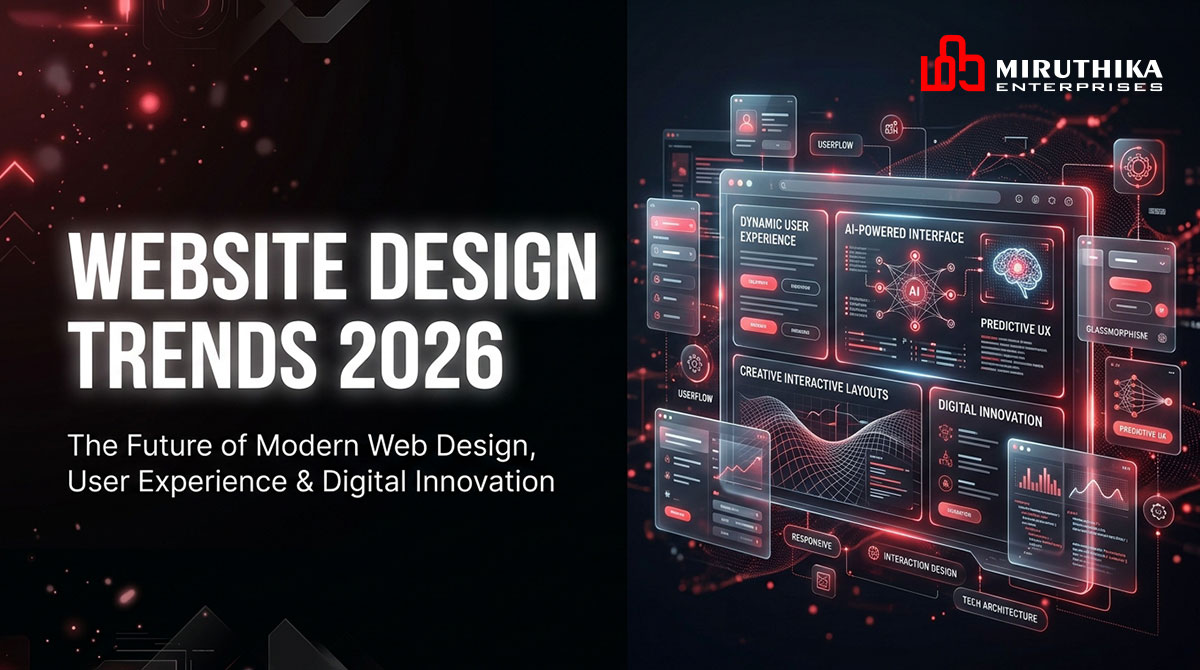
The year 2026 is shaping the future of web design with smarter interfaces, faster performance, AI-powered personalization, mobile-first experiences, and highly interactive layouts. Businesses that invest in modern website design trends can improve customer engagement, SEO rankings, and online conversions.
Whether you are a startup, ecommerce business, local brand, or corporate company, understanding the latest web design trends will help you create a professional and future-ready digital presence.
Why Website Design Matters in 2026
A website is often the first interaction customers have with a business. Studies show that users decide within seconds whether they trust a website. A poorly designed website can increase bounce rates, reduce conversions, and negatively affect brand credibility.
Modern website design focuses on:
- User experience (UX)
- Mobile responsiveness
- SEO optimization
- Fast loading speed
- Accessibility
- Interactive engagement
- Visual storytelling
Businesses that invest in professional web design create stronger digital branding and better customer experiences.
For companies looking for modern and responsive web solutions, Miruthika Enterprises provides website development, UI/UX design, SEO, ecommerce development, and digital branding services tailored for business growth.
1. AI-Powered Website Personalization
Artificial Intelligence is transforming website experiences in 2026. Websites are becoming smarter by analyzing user behavior and delivering personalized content in real time.
AI-powered websites can:
- Recommend products based on browsing history
- Display personalized content
- Improve chatbot interactions
- Predict customer preferences
- Automate customer support
Businesses using AI-based personalization improve user engagement and increase conversions.
SEO Keywords Used:
- AI website design
- Smart web development
- Personalized website experience
- Modern website trends
External Resource:
Google AI Overview
2. Minimalist and Clean Website Layouts
Minimalist web design continues to dominate in 2026. Clean layouts improve readability, loading speed, and user navigation.
Key features include:
- White space utilization
- Simple typography
- Limited color palettes
- Clean navigation menus
- Clear call-to-action buttons
Minimalist websites help users focus on important information without distractions.
Benefits:
- Faster loading speed
- Better mobile experience
- Improved SEO performance
- Higher user engagement
3. Mobile-First Responsive Design
More than 70% of website traffic now comes from mobile devices. Google also prioritizes mobile-friendly websites in search rankings.
Responsive web design ensures websites work perfectly on:
- Smartphones
- Tablets
- Laptops
- Desktop screens
A mobile-first design strategy improves:
- User experience
- SEO rankings
- Customer retention
- Conversion rates
Businesses without responsive websites risk losing customers and search visibility.
Learn more about mobile usability:
Google Mobile-Friendly Guidelines
4. Dark Mode User Interfaces
Dark mode has become one of the most popular website design trends. Many users prefer dark themes because they reduce eye strain and improve readability during night browsing.
Advantages of dark mode:
- Modern visual appearance
- Improved battery efficiency
- Enhanced accessibility
- Better visual contrast
Many brands now provide both light and dark mode options for improved user experience.
5. Interactive User Experience (UX)
Interactive websites are becoming more engaging in 2026. Modern web design includes dynamic elements that encourage users to interact with content.
Popular interactive features:
- Scroll animations
- Hover effects
- Interactive sliders
- Animated icons
- Micro-interactions
Interactive elements improve:
- User engagement
- Website retention
- Customer experience
- Brand memorability
However, designers must balance interactivity with performance to avoid slow loading speeds.
6. Voice Search Optimization
Voice search usage continues to grow through smartphones and smart devices. Websites optimized for voice search perform better in modern SEO strategies.
Voice-friendly websites use:
- Conversational keywords
- FAQ sections
- Fast page loading
- Mobile optimization
- Structured data markup
Examples of voice search keywords:
- “Best website design company near me”
- “Affordable web development services”
- “SEO-friendly website design”
Voice search optimization is becoming essential for local SEO and future digital marketing strategies.
7. SEO-Optimized Website Structures
SEO-friendly website design is no longer optional. Businesses need websites optimized for search engines to improve visibility and generate organic traffic.
Important SEO website features:
- Fast loading speed
- Clean coding structure
- Meta titles and descriptions
- Schema markup
- Internal linking
- Mobile optimization
- Secure HTTPS connection
SEO-optimized websites help businesses rank higher on Google and attract targeted customers.
Internal Link Example:
Explore professional Website Design and Development Services for business growth.
8. Video Backgrounds and Visual Storytelling
Video marketing is influencing website design trends significantly in 2026. Websites now use short videos, animations, and cinematic visuals to communicate brand stories quickly.
Benefits of video integration:
- Higher engagement
- Improved storytelling
- Better conversion rates
- Increased user retention
Businesses use:
- Hero section videos
- Product demonstrations
- Brand introduction videos
- Customer testimonials
Video content improves both branding and user experience.
9. Accessibility-Focused Web Design
Accessibility is becoming a critical website design requirement. Inclusive websites ensure all users, including people with disabilities, can access content easily.
Accessibility features include:
- Keyboard navigation
- Screen-reader compatibility
- Proper color contrast
- Alt text for images
- Readable typography
Accessible websites improve:
- User inclusivity
- SEO performance
- Brand reputation
- Legal compliance
Learn accessibility standards:
W3C Web Accessibility Initiative
10. Faster Website Performance and Core Web Vitals
Google prioritizes websites with excellent speed and performance. Core Web Vitals continue to influence search rankings in 2026.
Important performance factors:
- Fast loading time
- Visual stability
- Quick interaction speed
- Optimized images
- Efficient coding
Businesses should regularly optimize website performance to improve SEO and customer satisfaction.
Performance optimization tools:
Google PageSpeed Insights
11. Ecommerce-Focused Website Experiences
Ecommerce websites are becoming more personalized and conversion-driven.
Modern ecommerce trends include:
- AI product recommendations
- One-click checkout
- Personalized shopping experiences
- Mobile shopping optimization
- AR product previews
Businesses investing in ecommerce development improve online sales opportunities and customer retention.
12. Sustainable and Eco-Friendly Web Design
Sustainable web design is emerging as a modern digital trend. Lightweight websites consume less energy and improve performance.
Eco-friendly web practices include:
- Optimized coding
- Compressed images
- Efficient hosting
- Minimal design elements
Sustainable websites support environmental responsibility while improving loading speed and user experience.
The Role of UI/UX Design in 2026
User Interface (UI) and User Experience (UX) design are becoming more important than ever.
UI/UX design focuses on:
- User-friendly navigation
- Clear layouts
- Interactive engagement
- Seamless browsing experience
Good UX design reduces bounce rates and increases customer satisfaction.
Businesses investing in UI/UX gain:
- Better customer retention
- Increased conversions
- Stronger brand credibility
- Improved engagement
Why Businesses Should Follow Website Design Trends
Modern customers expect fast, interactive, and visually appealing websites. Businesses that ignore modern web design trends risk losing online visibility and customer trust.
Updated websites help businesses:
- Improve search rankings
- Increase conversions
- Build stronger branding
- Generate leads
- Stay ahead of competitors
Professional web development services ensure websites remain updated with the latest digital standards and technologies.
Future of Website Design Beyond 2026
The future of website design will continue evolving with technologies such as:
- Artificial Intelligence
- Augmented Reality (AR)
- Virtual Reality (VR)
- Machine Learning
- Voice interfaces
- Smart automation
Businesses adopting these innovations early will gain long-term competitive advantages in the digital marketplace.
Conclusion
Website design trends in 2026 are focused on creating faster, smarter, more personalized, and user-friendly digital experiences. From AI-powered personalization and mobile-first responsiveness to SEO optimization and accessibility, modern web design is shaping the future of business growth online.
A professionally designed website is no longer just about appearance — it is a powerful tool for branding, lead generation, customer engagement, and online success.
Businesses looking to build responsive, SEO-friendly, and future-ready websites can explore professional solutions from Miruthika Enterprises to strengthen their digital presence and grow in the competitive online market.
About the Author