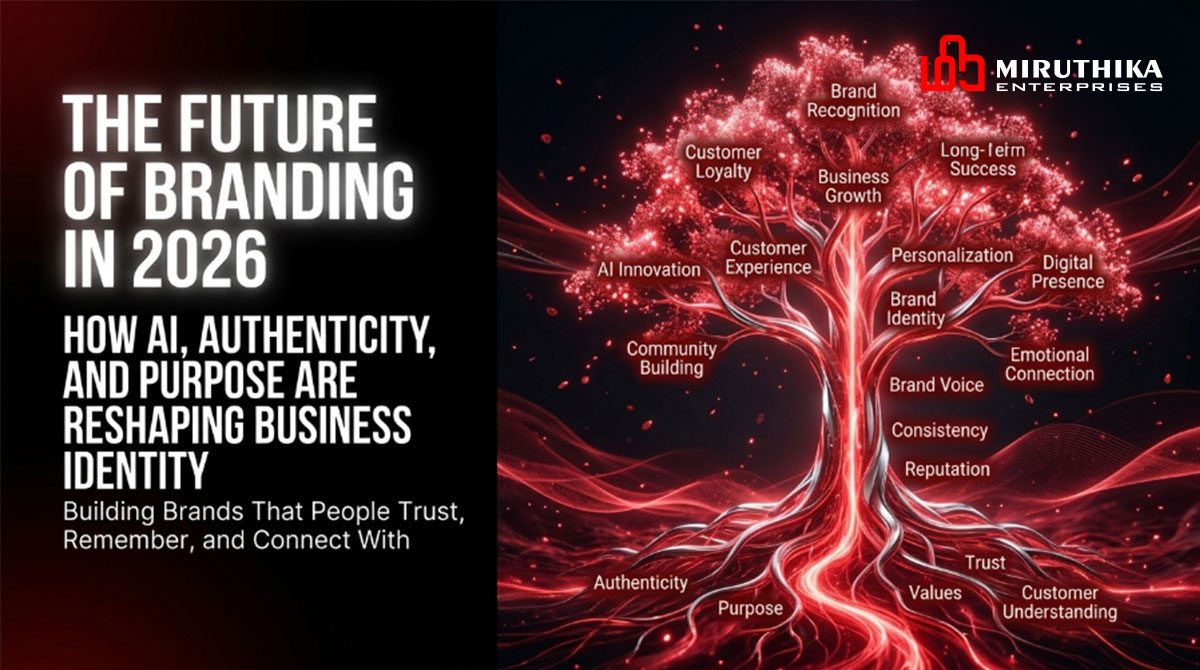
The world of branding has undergone a seismic shift. Gone are the days when a catchy logo and a memorable tagline were enough to build a lasting brand. In 2026, branding has evolved into a sophisticated blend of artificial intelligence, authentic storytelling, and purpose-driven messaging that resonates with conscious consumers.
According to recent industry reports, 73% of global consumers now prefer brands that align with their personal values, while 68% of businesses are leveraging AI to personalize their brand experiences. The branding landscape is no longer about what you sell—it’s about who you are, what you stand for, and how you make people feel.
This comprehensive guide explores the most transformative branding trends of 2026, backed by real-world examples and actionable strategies you can implement immediately to strengthen your brand identity.
AI-Powered Personalization: The New Brand Standard
Understanding AI in Branding
Artificial intelligence has moved from being a futuristic concept to a practical necessity in modern branding. In 2026, leading brands are using AI to create hyper-personalized experiences that make each customer feel uniquely understood.
The Numbers: McKinsey reports that brands using AI-driven personalization see a 20% increase in customer satisfaction and 15% improvement in conversion rates.
Real-World Applications
Netflix’s Personalized Branding: Netflix doesn’t just recommend shows—it personalizes your entire brand experience. From the homepage layout to the thumbnails you see, every element is tailored to your viewing history and preferences. This level of personalization has made Netflix synonymous with “understanding what I want to watch.”
Spotify’s Brand Evolution: Spotify’s “Wrapped” campaign uses AI to analyze user listening habits and create personalized brand experiences. This annual campaign has become so culturally significant that users actively anticipate it and share it on social media—turning a data analysis into a brand moment.
How to Implement AI Personalization
1.Collect First-Party Data: Build your own customer data through website interactions, surveys, and purchase history
2.Segment Your Audience: Use AI tools to identify distinct customer groups with unique preferences
3.Personalize Every Touchpoint: From email subject lines to website recommendations, tailor each interaction
4.Measure and Optimize: Continuously test and refine your personalization strategies
Pro Tip: Start small with email personalization before expanding to your entire digital ecosystem.
Authenticity Over Perfection: The Rise of Real Branding
The Authenticity Imperative
In 2026, consumers can spot fake from a mile away. The polished, overly-produced brand imagery that dominated the 2010s is being replaced by raw, authentic storytelling that shows the real people behind the brand.
The Shift: 64% of consumers now trust brands more when they see behind-the-scenes content, employee stories, and unfiltered moments compared to traditional advertising.
Brands Leading the Authenticity Movement
Patagonia’s Purpose-Driven Authenticity: Patagonia doesn’t just sell outdoor gear—they’ve built their entire brand around environmental activism. They’ve turned down millions in revenue to stay true to their values, and customers respect them for it. Their brand isn’t about perfection; it’s about genuine commitment to a cause.
Glossier’s Community-Driven Approach: Glossier built their beauty brand by featuring real customers instead of traditional models. Their “Into the Gloss” blog showcases unfiltered beauty routines and real stories, making their brand feel like a friend rather than a corporation.
Implementing Authentic Branding
1.Share Your Origin Story: Tell the real story of why your business exists, including failures and lessons learned
2.Feature Real Employees: Showcase your team members and their stories, not just polished executives
3.Embrace Imperfection: Show behind-the-scenes moments, work-in-progress content, and honest challenges
4.Respond Authentically: Engage with customers genuinely, admit mistakes, and show how you’re improving
Purpose-Driven Branding: Beyond Profit
The Purpose Economy
Purpose-driven branding has moved from a nice-to-have to a must-have. In 2026, consumers actively choose brands that align with their values, and they’re willing to pay premium prices for this alignment.
Key Statistic: 71% of consumers would switch to a brand that supports a cause they care about, even if it costs more.
Purpose-Driven Brand Examples
TOMS Shoes’ Social Impact Model: TOMS revolutionized branding by making social impact central to their business model. For every pair of shoes sold, they donate a pair to someone in need. This purpose isn’t marketing—it’s their core business model, and it’s attracted millions of loyal customers.
Ben & Jerry’s Activism: Ben & Jerry’s has built their brand around social justice causes. From climate change to racial equity, they use their platform to advocate for change. This purpose-driven approach has made them more than an ice cream company—they’re a movement.
Building a Purpose-Driven Brand
1.Identify Your Core Values: What does your brand genuinely care about beyond profit?
2.Align Operations with Values: Make sure your business practices actually support your stated purpose
3.Communicate Transparently: Share your impact metrics and progress toward your goals
4.Take Action: Move beyond statements to actual programs and initiatives
5.Engage Your Community: Involve customers in your mission and create opportunities for them to participate
Visual Identity Evolution: Minimalism Meets Boldness
The Design Shift
2026 has brought a fascinating paradox in visual branding: minimalism continues to dominate, but brands are using bold, unexpected elements to stand out. The key is strategic simplicity combined with memorable distinctiveness.
Branding Design Trends
Sustainable Design: Brands are increasingly using eco-friendly design principles, from sustainable packaging to digital-first approaches that reduce waste. The visual identity itself communicates environmental consciousness.
Dynamic Branding: Static logos are giving way to dynamic, responsive brand systems that adapt to different contexts. Brands like Google and Firefox have pioneered this approach, with logos that evolve while maintaining core recognition.
Inclusive Design: Brands are ensuring their visual identity is accessible to everyone, including people with color blindness, visual impairments, and other accessibility needs.
Implementing Modern Visual Identity
1.Simplify Your Core Elements: Ensure your logo, colors, and typography work across all sizes and contexts
2.Create a Dynamic System: Develop guidelines that allow your brand to adapt while maintaining consistency
3.Prioritize Accessibility: Test your visual identity for color contrast, readability, and accessibility
4.Tell a Story: Ensure your visual elements communicate your brand’s purpose and values
Voice and Tone: The Personality of Your Brand
Beyond Words: Building Brand Voice
In 2026, how you communicate is as important as what you communicate. Brand voice has become a critical differentiator, with successful brands developing distinctive, recognizable communication styles.
Voice Examples
Wendy’s Social Media Personality: Wendy’s has built a brand personality that’s witty, irreverent, and conversational. Their social media presence feels like talking to a friend, not a corporation. This distinctive voice has made them stand out in a crowded fast-food market.
Mailchimp’s Friendly Approach: Mailchimp’s brand voice is approachable, helpful, and slightly quirky. Their copy feels like it’s written by a real person who understands your challenges, not a corporate marketing department.
Developing Your Brand Voice
1.Define Your Personality: Is your brand professional, playful, authoritative, or friendly?
2.Create Voice Guidelines: Document how you communicate across different channels and situations
3.Train Your Team: Ensure everyone representing your brand understands and embodies the voice
4.Be Consistent: Maintain your voice across all touchpoints—website, social media, customer service, packaging
5.Evolve Thoughtfully: Your voice can grow and adapt, but changes should be intentional and communicated
Community-Centric Branding: Building Movements
From Customers to Communities
The most successful brands in 2026 aren’t just selling products—they’re building communities of passionate advocates. These communities become the brand’s most powerful marketing tool.
Community-Building Examples
Harley-Davidson’s Rider Community: Harley-Davidson has built one of the most loyal communities in business history. Their brand isn’t just about motorcycles—it’s about a lifestyle and identity. Harley owners don’t just buy a product; they join a community.
Sneaker Culture and Nike: Nike has mastered community-centric branding through collaborations, limited releases, and community events. They’ve transformed sneaker culture into a movement, with passionate communities forming around specific releases and collaborations.
Building Your Brand Community
1.Create Spaces for Connection: Online forums, social media groups, or in-person events where customers can connect
2.Celebrate Your Community: Feature customer stories, user-generated content, and community achievements
3.Involve Community in Decision-Making: Ask for feedback, involve members in product development, and make them feel heard
4.Provide Exclusive Value: Give community members early access, special pricing, or exclusive content
5.Foster Belonging: Create rituals, inside jokes, and shared values that bind your community together
Sustainability and Ethical Branding
The Conscious Consumer
In 2026, consumers are increasingly aware of the environmental and social impact of their purchases. Brands that can authentically demonstrate their commitment to sustainability and ethics have a significant competitive advantage.
The Impact: 62% of consumers now research a brand’s sustainability practices before making a purchase, and 58% are willing to change their consumption habits to reduce environmental impact.
Sustainable Branding Examples
Allbirds’ Eco-Conscious Positioning: Allbirds has built their entire brand around sustainable materials and transparent manufacturing. From their website to their packaging, every element communicates their environmental commitment.
Reformation’s Fashion Sustainability: Reformation has disrupted the fashion industry by making sustainability fashionable. They track and communicate the environmental impact of every product, turning sustainability into a style statement.
Implementing Sustainable Branding
1.Audit Your Impact: Honestly assess your environmental and social footprint
2.Make Real Changes: Move beyond marketing to actual operational improvements
3.Be Transparent: Share your sustainability journey, including challenges and failures
4.Communicate Progress: Regularly update customers on your sustainability metrics and goals
5.Certify Your Claims: Use third-party certifications to validate your sustainability claims
The Role of Storytelling in Modern Branding
Stories Over Statistics
While data is important, stories are what create emotional connections and lasting brand loyalty. In 2026, the most powerful brands are master storytellers.
Storytelling Frameworks
The Hero’s Journey: Position your customer as the hero, with your brand as the guide helping them overcome challenges and achieve their goals.
Transformation Stories: Share stories of how your product or service has transformed customers’ lives, from practical benefits to emotional impacts.
Origin Stories: Tell the story of why your brand exists, the problems you’re solving, and the vision you’re pursuing.
Crafting Compelling Brand Stories
1.Know Your Audience: Understand what stories resonate with your target customers
2.Be Specific: Use concrete details and examples rather than generic statements
3.Show Emotion: Let the emotional journey be as important as the practical benefits
4.Create Multiple Stories: Different stories for different audiences and occasions
5.Invite Participation: Encourage customers to share their own stories with your brand
The Future of Branding is Now
The branding landscape of 2026 is more complex, more personal, and more purposeful than ever before. Success requires moving beyond traditional marketing to create authentic, meaningful connections with your audience.
The brands that will thrive in 2026 and beyond are those that:
•Use technology to personalize without losing authenticity
•Stand for something beyond profit
•Build communities rather than just customer bases
•Communicate with distinctive, memorable voices
•Prioritize sustainability and ethics
•Tell compelling stories that create emotional connections
Your brand is not just your logo or your tagline—it’s the sum of every interaction, every promise kept, and every value demonstrated. In 2026, building a strong brand means being intentional about who you are, what you stand for, and how you make people feel.
The future of branding isn’t about perfection. It’s about authenticity, purpose, and genuine connection. Start implementing these strategies today, and watch your brand evolve into something truly meaningful.
Key Takeaways
1.AI Personalization is now essential for creating relevant brand experiences
2.Authenticity trumps polish in building customer trust and loyalty
3.Purpose-Driven Branding creates deeper customer connections and premium pricing power
4.Visual Identity should be simple, accessible, and distinctive
5.Brand Voice is a critical differentiator in crowded markets
6.Community Building turns customers into brand advocates
7.Sustainability and Ethics are no longer optional—they’re expected
8.Storytelling creates emotional connections that drive loyalty
Conclution
Ready to future-proof your brand? Start by auditing your current branding against these 2026 trends. Identify one area where you can make an immediate improvement, and commit to implementing it this month.
Need help with your branding strategy? Our team of branding experts can help you develop a comprehensive brand strategy that incorporates these latest trends and positions your business for success in 2026 and beyond.
[Contact Us for a Free Brand Consultation]
About the Author